Water Damage Services in Falcon Heights, MN
Falcon Heights Water Damage provides focused help for the different kinds of water problems that can affect homes, rentals, multifamily buildings, and other occupied properties in Falcon Heights, Minnesota. This Services page is the main starting point. Instead of forcing every situation onto one generic page, each major service has its own dedicated page with details about the source of the water, the materials involved, what should happen first, and what to expect during drying and cleanup.
Water damage rarely looks the same from one property to the next. A broken supply line near Larpenteur Avenue can create a very different problem from a flooded basement near Roselawn Avenue or a ceiling leak close to Cleveland Avenue. The purpose of this service structure is to help you move quickly from “I have water damage” to the specific page that matches what is actually happening.
Water Damage Restoration
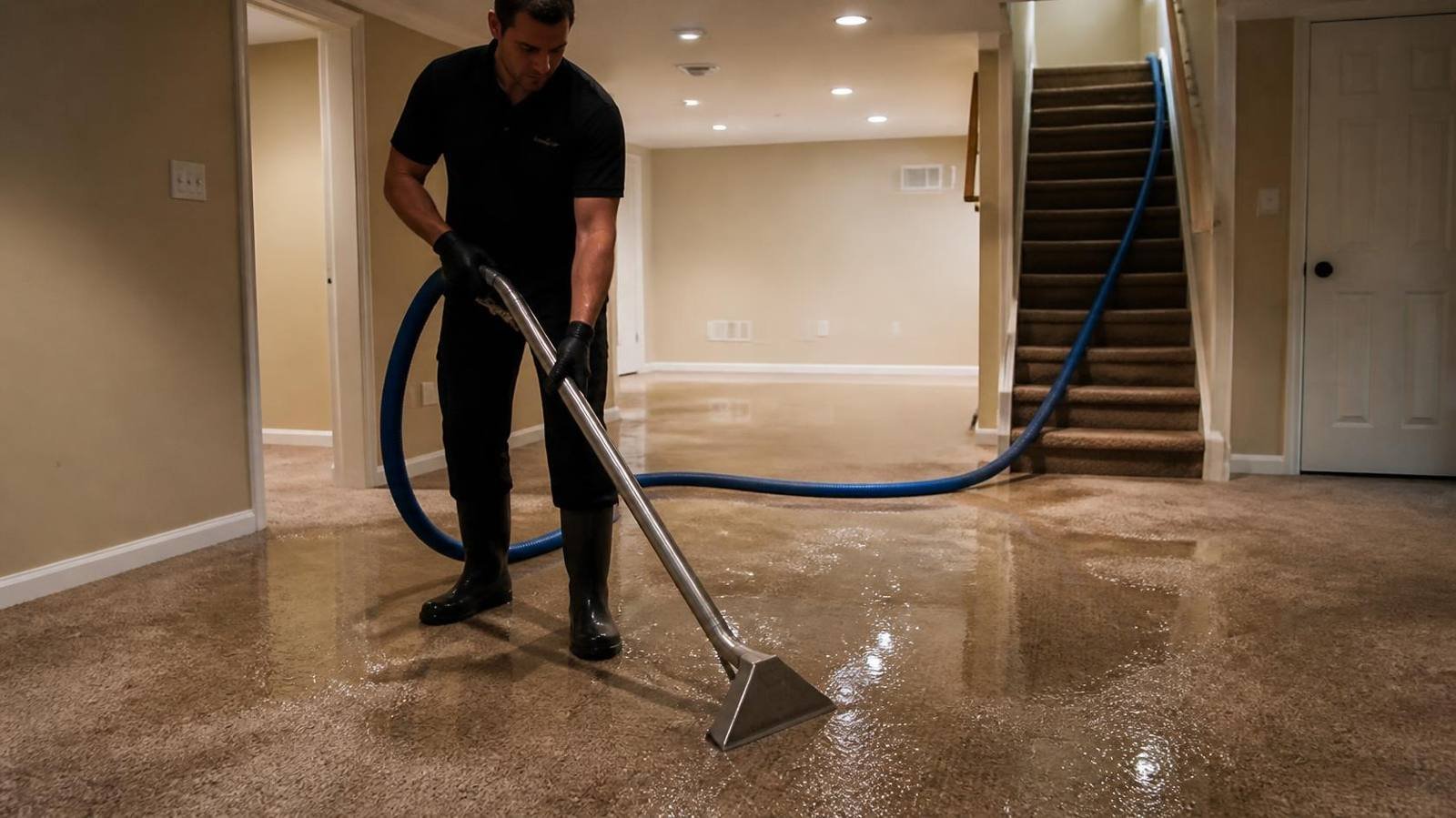
Water damage restoration is the broad service for interior water losses that involve more than a small surface cleanup. It covers source control, water removal, moisture inspection, controlled drying, selective material removal when needed, and planning for repairs after the affected area is dry.
This is the best page to start with when you are not sure which service category fits. It explains the overall restoration process and links to the more specific services below.
Emergency Water Removal
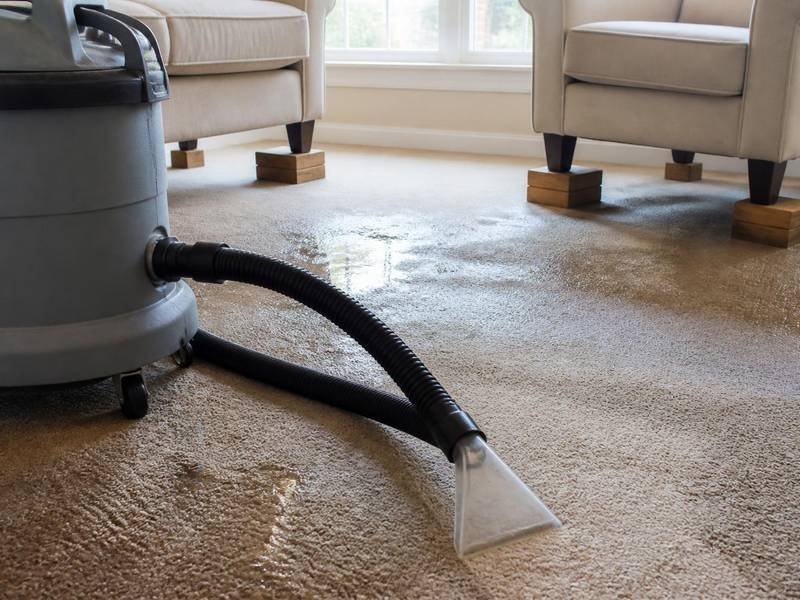
Emergency water removal focuses on the first stage of an active loss: getting standing water out before it spreads farther into flooring, wall edges, carpet pad, lower levels, or nearby rooms.
It is especially relevant when water is still covering part of the floor, an appliance line has failed, a plumbing break has released a larger amount of water, or a lower level has taken on water that cannot simply be mopped up.
Flooded Basement Cleanup
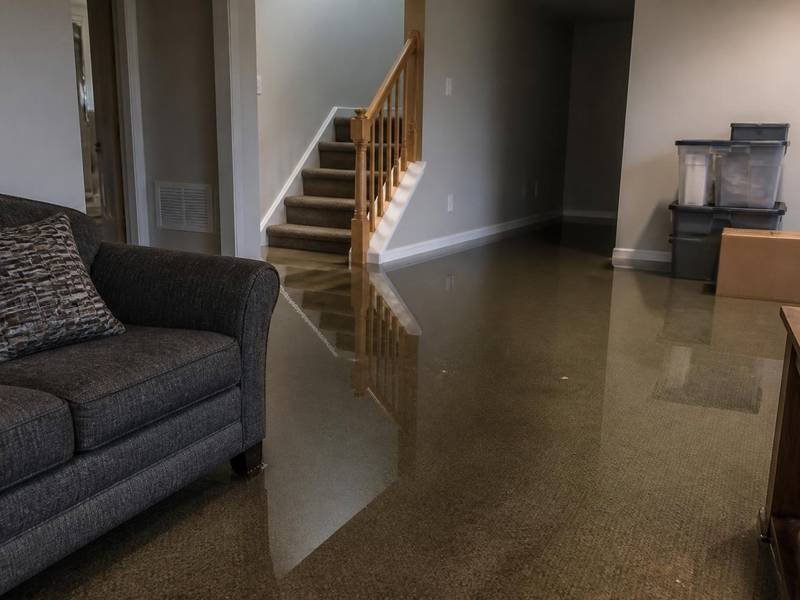
Flooded basement cleanup is built around lower-level water problems. Basements can hold moisture in concrete, carpet, pad, drywall, insulation, framing, baseboards, storage, and utility areas at the same time.
This service page explains what should be checked after the visible water is removed and why finished basements often need a closer look around wall edges and under flooring.
Burst and Frozen Pipe Damage
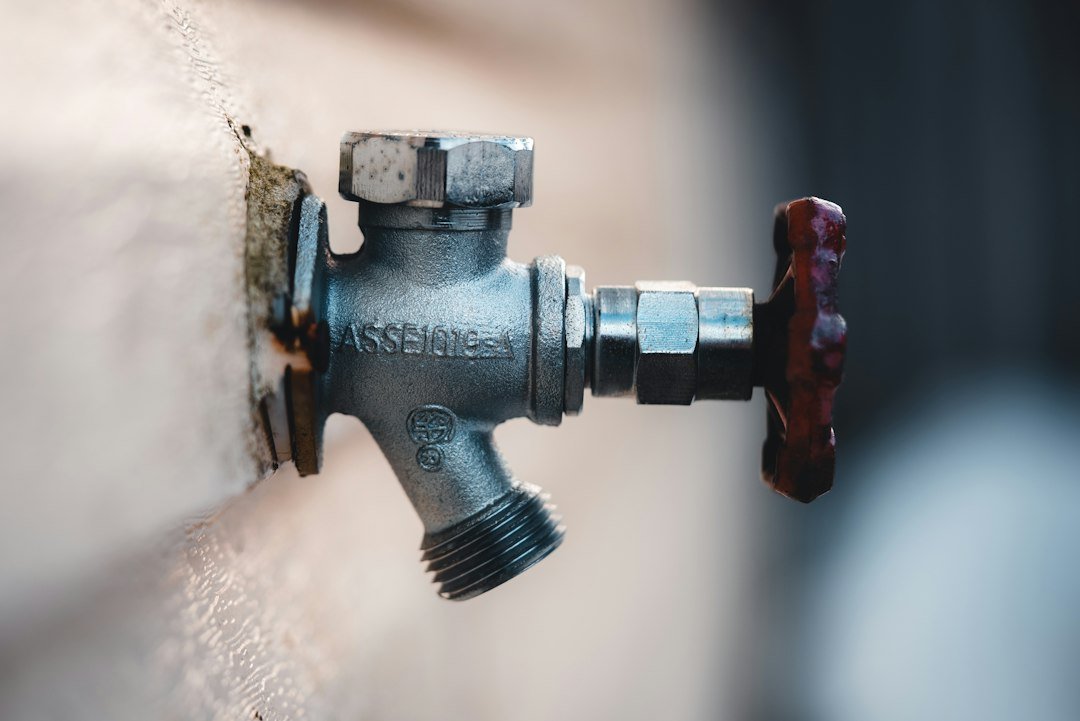
Burst and frozen pipe damage is especially important in Minnesota. A frozen line may split inside an exterior wall or another vulnerable area, then release water when the pipe thaws or water pressure returns.
Because the break can happen inside a wall or ceiling, the first puddle is not always close to the source. The dedicated page explains what to do first, what materials are commonly affected, and why the rooms below a pipe break may also need to be checked.
Structural Drying
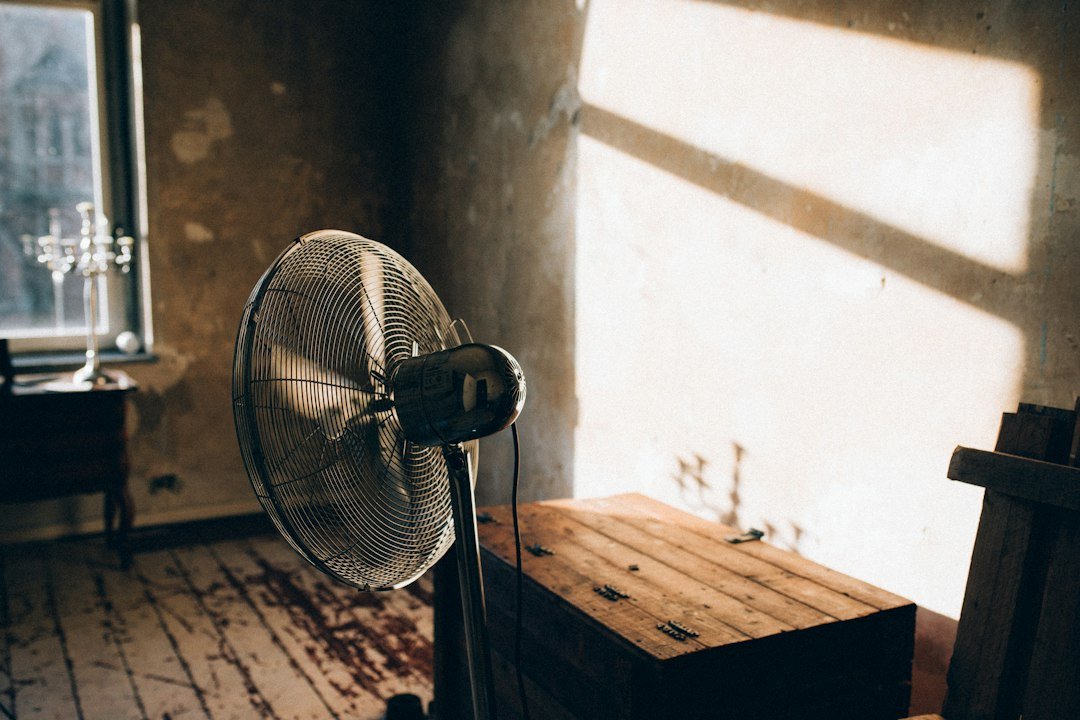
Structural drying is the part of restoration that happens after bulk water has been removed. The goal is to create drying conditions that help framing, drywall, concrete, subflooring, and other materials release moisture.
Structural drying depends on airflow, dehumidification, access, temperature, and repeated moisture checks. Simply placing household fans in a wet room is not the same as building a drying plan around the materials that absorbed water.
Wet Walls and Ceilings
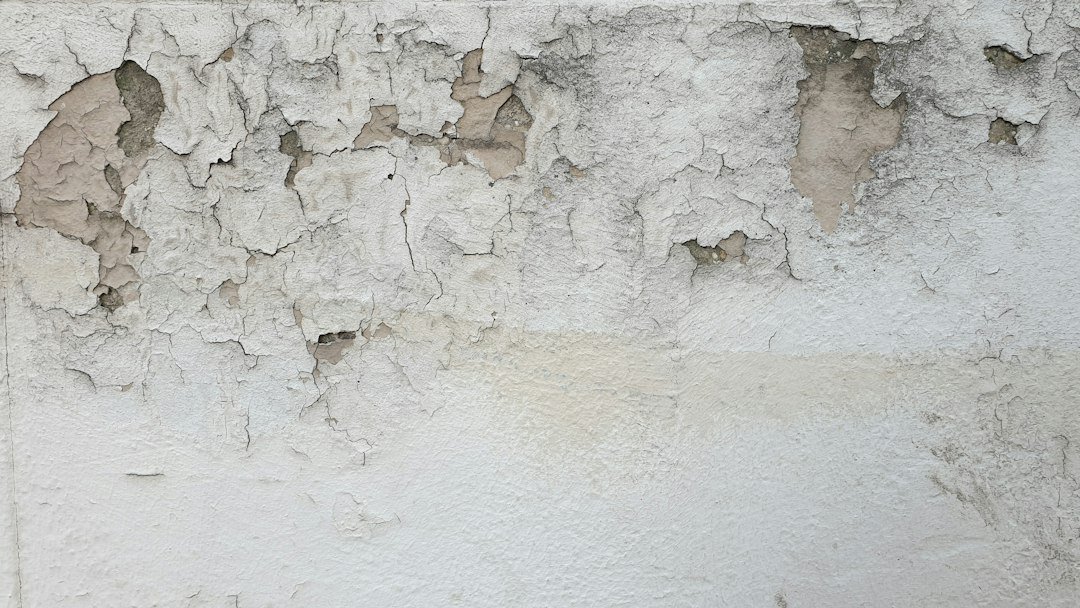
Wet wall and ceiling drying is designed for leaks that affect drywall, insulation, framing, paint, trim, or ceiling cavities. A stain can look small even when moisture has traveled farther inside the assembly.
The page covers common leak paths, sagging ceilings, wet drywall edges, insulation concerns, and the question many homeowners ask: does the wall need to be opened, or can it dry in place?
Sewage Backup Cleanup
Sewage backup cleanup is handled differently from a clean-water supply-line leak because contamination changes the safety and material decisions. Porous materials that might be dried after a clean loss may need removal after wastewater exposure.
The page focuses on cautious entry, avoiding unnecessary contact, keeping household fans away from contaminated areas, removing affected materials as appropriate, and then drying the remaining structure.
Flooring and Subfloor Water Damage
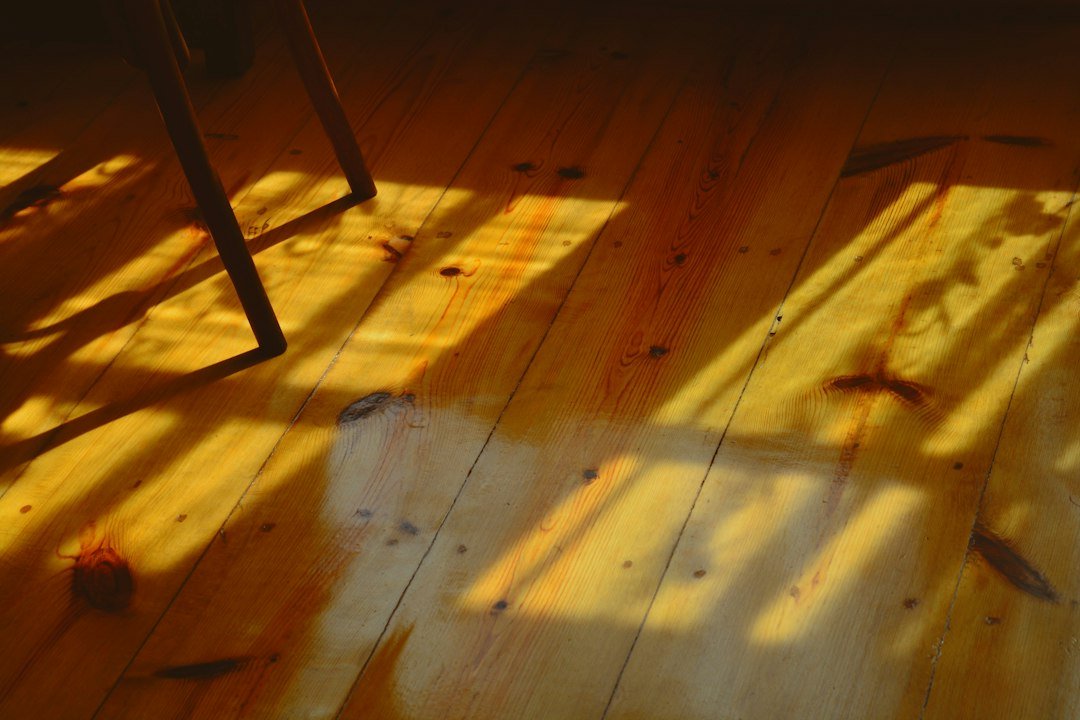
Flooring and subfloor water damage covers one of the hardest parts of a water loss to judge by sight alone. Carpet can hide wet pad. Floating floors can trap moisture underneath. Laminate and engineered wood can swell or separate. Subflooring can remain damp after the finished floor feels dry.
The flooring system, water source, exposure time, and subfloor condition all affect whether materials can stay or should be removed.
How It Works
-

Request Emergency Service. Tell us what happened, whether the source is controlled, and which rooms or materials are wet.
-
We inspect and stop the spread. The source is confirmed, visible water is addressed, and nearby materials are checked for moisture that may have traveled beyond the first wet area.
-

We remove water and dry the structure. Standing water is extracted first, then airflow, dehumidification, access, and moisture checks are used to dry affected materials.
-

We confirm drying progress and plan repairs. Moisture conditions are re-checked before drying equipment is removed and repair needs are identified.
How do you know which water damage service you need?
Start with the most obvious part of the problem. If there is standing water, go to emergency water removal. If the problem is downstairs, start with flooded basement cleanup. If the loss came from winter plumbing, use the burst and frozen pipe page. If the visible problem is a wall or ceiling stain, use the wet walls and ceilings page.
If none of those descriptions fits cleanly, the main water damage restoration page is the best place to begin. You do not need to diagnose the entire loss before reaching out. The service pages are simply meant to give you useful information before you decide what to do next.
Why the right service matters
A sewage backup, a frozen pipe, a flooded basement, and a wet ceiling may all involve water, but they do not create the same cleanup decisions. The water source, contamination risk, building materials, and path the moisture followed all affect what should happen next.
Use the service that best matches the problem you can see. If the situation overlaps more than one category, start with water damage restoration and describe the source, affected rooms, and whether water is still entering the property.
How the Falcon Heights location pages connect to services
The Service Areas section adds the geographic layer. It includes dedicated local pages for Larpenteur Avenue, Snelling Avenue, Cleveland Avenue, Roselawn Avenue, Garden Avenue, and the Fulham area.
Those pages answer “Do you serve my area?” The service pages answer “What do I do about this specific water problem?” The two sections link together so visitors can move naturally from a local area to the service information that matches the problem.
When should you request help?
Request help when water is still entering, standing water is present, multiple rooms or materials are affected, a wall or ceiling cavity may be wet, sewage is involved, or you are not confident the area is drying on its own. Use the service-request form to explain what happened and which rooms are affected.
If you are not sure which service fits, use the Request Emergency Service form and describe the source, affected room, and visible water.
Frequently asked questions about our services
Do I need water removal and structural drying?
Often both are part of the same loss. Water removal gets rid of free-standing water. Structural drying deals with moisture that remains inside porous materials and the air.
Do you handle small leaks too?
Yes. A small leak can still affect hidden materials if it runs long enough or reaches flooring, wall cavities, cabinets, or rooms below.
Does every wet material have to be removed?
No. The source of the water, material type, condition, amount of saturation, contamination, and ability to dry all matter.
Can I use the Service Areas pages if I already know the service I need?
Yes. The local pages provide Falcon Heights context, while the service pages provide the detailed technical explanation.