Wet Walls & Ceilings in Falcon Heights, MN
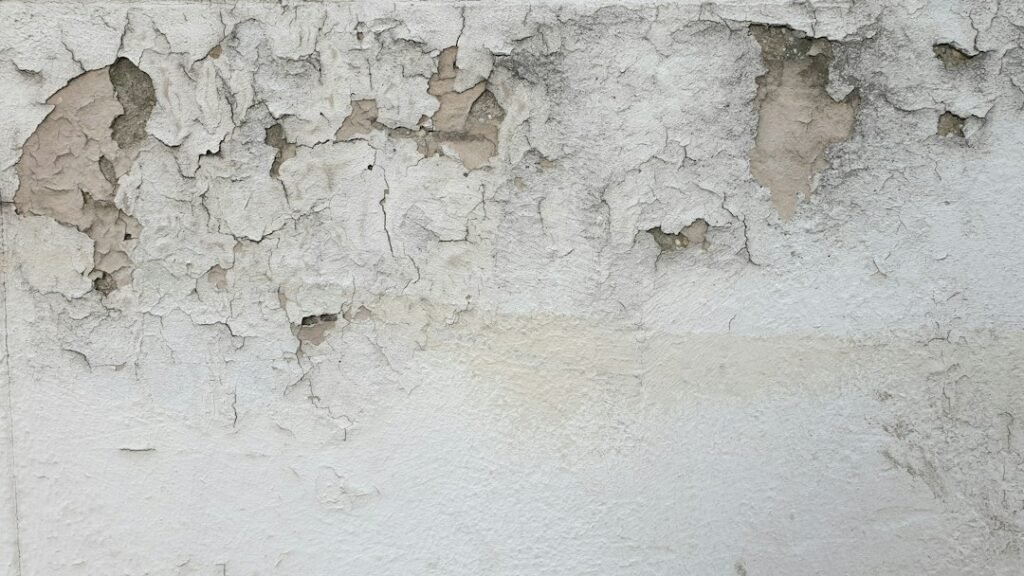
Wet walls and ceilings in Falcon Heights should be checked beyond the visible stain. Water can travel through drywall, insulation, framing, paint layers, trim, and ceiling cavities before it becomes obvious on the surface. The right response is to stop the source, identify the moisture path, and dry the assembly before patching or repainting.
A small ceiling spot can come from a plumbing leak, bathroom overflow, appliance line, roof-related issue, or water traveling from another room. Likewise, a damp baseboard may mean the lower drywall and wall plate are wet even if the center of the wall still looks normal.
What should you do first with a wet wall or ceiling?
If the water source is known and can be safely stopped, shut it off. Keep people away from sagging ceilings or areas where water is near electrical fixtures or outlets. Do not poke, cut, or open a heavily saturated ceiling unless you understand the safety risks.
After the source is controlled, the next step is to determine how far moisture traveled. Our water damage restoration page explains the broader process.
Why can a ceiling stain be misleading?
Water does not always fall straight down. It can move along joists, pipes, insulation, seams, and framing before appearing at a low point. That means the visible stain may not sit directly under the source.
The source needs to be found before the ceiling is patched or painted. Otherwise the cosmetic repair can hide an active or unresolved moisture problem.
When is a wet ceiling a safety concern?
A ceiling that is bulging, sagging, cracked, or heavily saturated should be treated cautiously. Wet drywall can become heavier and weaker. Water near light fixtures or electrical components adds another concern.
Keep people out from under the area until the condition is evaluated and the water source is controlled.
Can drywall dry in place?
Sometimes. Drywall exposed to clean water may be able to dry in place when the material is structurally sound, insulation is not heavily saturated, and the wall cavity can release moisture.
Other situations call for selective removal. Contamination, damaged drywall, wet insulation, trapped moisture, or lack of access can make opening the wall necessary.
What happens when insulation gets wet?
Insulation can slow drying because it holds moisture inside the wall or ceiling cavity. The type of insulation, amount of water, and source all affect whether it can remain.
When insulation is heavily saturated or contaminated, removal may be appropriate. When exposure is limited and drying access is good, a more selective approach may be possible.
Why are baseboards important?
Water on the floor often reaches the bottom of the wall first. Drywall can wick moisture upward, while baseboards hide the lower edge from view.
That means a room can look dry while moisture remains behind trim. Checking the lower wall area is especially important after basement water, appliance leaks, or plumbing failures.
What if the wall feels dry?
Touch is not always a reliable test. The surface can feel dry while the paper backing, cavity, insulation, or framing is still damp.
Moisture checks are useful because they help distinguish a cosmetic stain from an assembly that still needs drying.
How are wet wall cavities dried?
Drying may involve air movement, dehumidification, and selective access to the cavity. The exact approach depends on what is inside the wall and how much moisture is present.
Our structural drying page explains how airflow and dehumidification work together after water removal.
What if the leak came from a frozen pipe?
Frozen pipe losses often affect walls and ceilings because the break may happen inside a concealed cavity. The first visible water may appear several feet away from the split pipe.
See our burst and frozen pipe page for more detail on winter plumbing losses in Falcon Heights.
Can a bathroom overflow wet the ceiling below?
Yes. Water can move through flooring seams, around plumbing penetrations, and into the floor assembly before appearing in the room below.
If an upstairs bathroom overflows, it is worth checking both the floor near the source and the ceiling below.
What about water behind cabinets?
Cabinets can hide wet drywall, wall plates, and flooring. Toe-kicks and cabinet backs may trap moisture after a sink, dishwasher, or refrigerator leak.
The decision to remove or open cabinetry depends on the amount of water and whether the area behind it can be accessed and dried.
Should you repaint right away?
No. Paint should come after the source is repaired and the wall or ceiling assembly is dry. Repainting too early can hide staining while moisture remains inside.
Cosmetic repair is the final step, not the first.
How long does wall or ceiling drying take?
There is no fixed timeline. Drying depends on the amount of moisture, insulation, wall construction, temperature, airflow, and how quickly the leak was discovered.
The next step should be based on the condition of the materials rather than a preset number of days.
What if sewage water reaches the wall?
Contaminated water changes the response. Porous materials exposed to sewage may need removal rather than drying in place.
Visit our sewage backup cleanup page if wastewater is involved.
When should you request help?
Request help when a ceiling is sagging, a wall remains damp, water has entered a cavity, insulation may be wet, or the source is unclear. Use the service-request form.
If a ceiling is sagging or water is still entering, keep clear of the area and use the Request Emergency Service form.
Frequently asked questions about wet walls and ceilings
Does every ceiling stain mean the drywall is wet?
No. Some stains remain after the material has dried, but the source should be verified before assuming the issue is only cosmetic.
Can wet drywall grow mold?
Prolonged moisture can support microbial growth. Prompt source control and drying are the practical priorities.
Should I remove baseboards?
Sometimes, especially when they block access to wet drywall or wall cavities. It depends on the material and moisture conditions.
Can a wall dry without holes being drilled?
Sometimes. The need for access depends on the cavity, insulation, moisture level, and whether the wall can dry effectively as it is.