Burst & Frozen Pipe Water Damage in Falcon Heights, MN
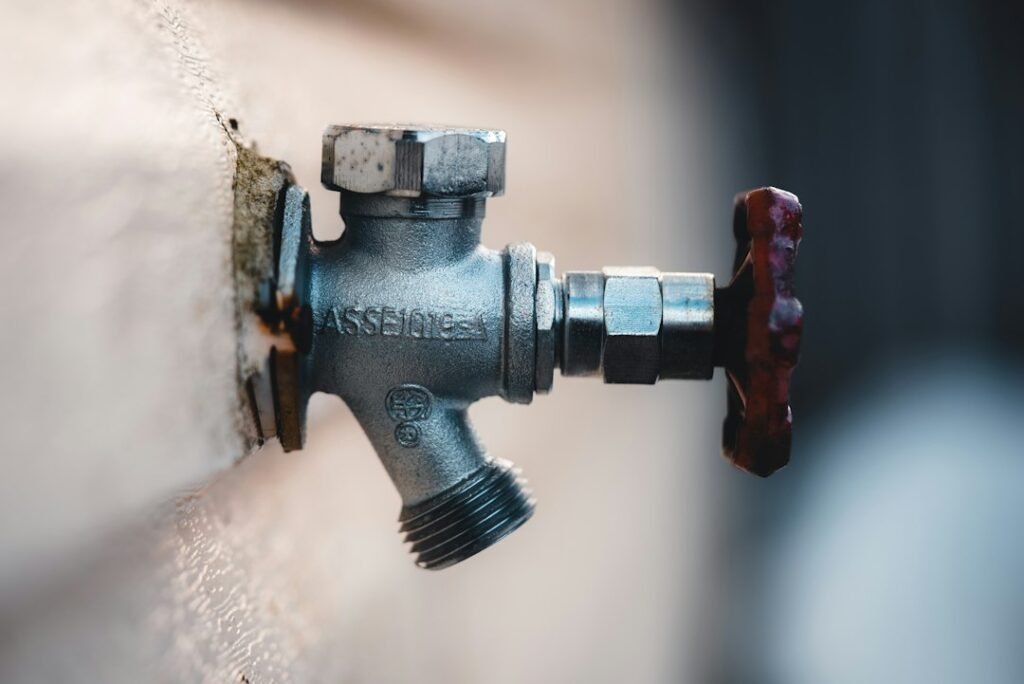
Burst and frozen pipe water damage in Falcon Heights should be treated as both a plumbing problem and a moisture problem. The first step is to stop or isolate the water source when it is safe, then remove standing water, check where the water traveled, and begin drying the affected materials before repairs hide the damage.
Minnesota cold makes frozen plumbing a real seasonal concern. A pipe can freeze in an exterior wall, under-insulated area, garage-adjacent space, utility room, or another vulnerable location. The pipe may split while frozen and not release much water until it begins to thaw. By then, the leak can spread through insulation, drywall, flooring, framing, cabinets, and rooms below.
What should you do first after a frozen or burst pipe?
If you can safely reach the shutoff, stop the water supply. Keep people away from standing water near outlets, appliances, cords, or electrical equipment. If the leak is above a finished ceiling, stay away from any area that is sagging or heavily saturated.
Once the source is controlled, remove standing water and check the surrounding materials. If there is a large amount of water on the floor, see our emergency water removal page.
Why frozen pipes can cause hidden damage
The break itself may be concealed inside a wall or ceiling, and water can travel along framing before it becomes visible. A puddle in one room may only be the end point of a longer moisture path.
That is why the inspection should include nearby drywall, insulation, wall plates, flooring, subflooring, cabinets, and rooms below the leak. If the visible problem is a wall or ceiling stain, our wet walls and ceilings page explains what to check.
Common places frozen plumbing problems show up
- Exterior walls
- Garage-adjacent rooms
- Basement utility spaces
- Kitchen sink cabinets
- Bathroom walls
- Laundry areas
- Upper-floor plumbing lines
- Unheated or lightly heated spaces
Every property is different, so this list is a starting point rather than a guarantee about where a pipe will freeze.
Can a frozen pipe leak after it thaws?
Yes. That is one of the more confusing parts of freeze-related plumbing damage. The pipe may split while frozen, but the larger leak may not begin until the ice melts and water pressure returns.
If you suspect a frozen line, monitor the area carefully as temperatures change and avoid assuming the problem is over just because no water is visible yet.
What happens when water reaches insulation?
Insulation can hold moisture inside a wall or ceiling cavity and slow drying. The decision to remove or dry insulation depends on the type of material, amount of water, source, and how easily the cavity can be accessed.
When insulation is heavily saturated or contaminated, removal may be appropriate. When the exposure is limited and the cavity can dry effectively, a more selective approach may be possible.
What if the pipe breaks upstairs?
Water from an upper-floor pipe break can affect more than the room where the failure occurred. It may move through the floor assembly, into a ceiling below, or down wall cavities.
That means lower rooms should be checked even when the leak appears contained upstairs. The visible stain below may not show the full extent of the moisture path.
How are flooring and subflooring affected?
Water from a pipe break can travel under carpet, floating floors, laminate, engineered wood, or vinyl. The finished surface may dry faster than the layers underneath.
Our flooring and subfloor water damage page explains how carpet pad, underlayment, subflooring, and finished flooring are evaluated after a water loss.
How does structural drying help?
After bulk water is removed, structural drying helps reduce moisture in framing, drywall, subflooring, and other materials. Air movement and dehumidification are used to create drying conditions appropriate to the loss.
The goal is not to run fans for a set number of days. It is to check how the materials respond and stop drying equipment when moisture conditions have improved appropriately. See our structural drying page for more detail.
Should drywall be removed after a burst pipe?
Not automatically. The answer depends on the source of the water, how wet the drywall became, whether insulation is involved, whether the cavity can dry, and whether the material is physically damaged.
Selective removal may be enough to create access to wet insulation or framing without opening an entire wall.
What if the pipe break floods a basement?
When a basement is affected, water can spread through carpet, pad, lower drywall, wall plates, storage, and utility spaces. Finished basements can hide moisture at the perimeter even after the center of the room looks dry.
For lower-level losses, visit our flooded basement cleanup page.
Can you prevent every frozen pipe?
No, but reducing cold exposure can lower risk. Keeping vulnerable areas heated, sealing obvious drafts, insulating exposed plumbing where appropriate, and addressing known cold spots can help.
If a pipe has frozen before, that area deserves extra attention because the same conditions may return during future cold weather.
What should you document?
Take photos of the source when it is safe, visible water, affected rooms, and any materials that are removed. Note when the leak was discovered and when the water was shut off.
If insurance is involved, the policy controls coverage. We do not promise coverage, but clear documentation helps preserve the facts of the loss.
When should you request help?
Request help when the source is still active, water has reached more than one material or room, ceilings or walls are involved, flooring is wet, or you are not sure how far the water traveled. Use the service-request form.
If a frozen or burst pipe is actively releasing water, use the Request Emergency Service form after shutting off the source when it is safe to do so.
Frequently asked questions about frozen and burst pipes
Can a pipe freeze without bursting?
Yes. A pipe can freeze and later thaw without a visible break, but it should still be watched for leaks or damage.
Why does water sometimes appear far from the pipe?
Water can move along framing, inside cavities, and through floor or ceiling assemblies before it reaches a visible surface.
Should I turn on a space heater near a frozen pipe?
Aggressive heating can create safety risks. It is better to avoid open flames and use safe, controlled methods consistent with plumbing guidance.
Can wet framing be dried?
Often yes, depending on the source, saturation, access, and material condition. Moisture checks help determine whether drying is progressing.