Emergency Water Removal in Falcon Heights, MN
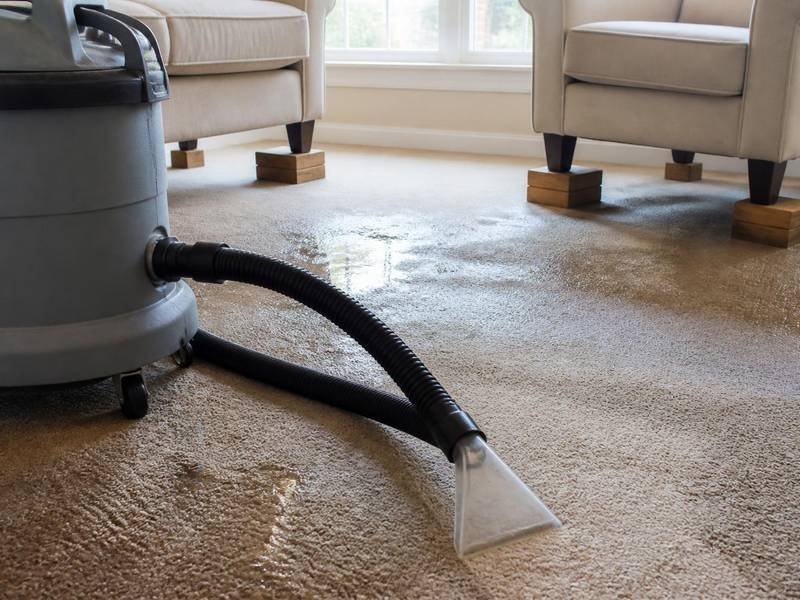
Emergency water removal in Falcon Heights is the first practical step when standing water is spreading through a home, rental, multifamily property, or other occupied building. The goal is to stop additional migration, remove bulk water, identify which nearby materials absorbed moisture, and move the property into a controlled drying phase before the loss grows.
Fast removal matters because water does not stay in the middle of a room. It can move under flooring, behind baseboards, into carpet pad, through drywall edges, under cabinets, and into rooms below. A puddle that looks manageable from the doorway may already have reached materials that are much harder to see.
When does emergency water removal make sense?
Emergency removal is appropriate when water is actively collecting, covering part of a floor, moving into another room, or threatening walls, flooring, cabinets, storage, or lower levels. Common examples include broken appliance lines, water-heater failures, overflowing fixtures, burst pipes, and basement water.
If the water has already been removed but walls, floors, or ceilings are still wet, our structural drying page may be the better next step.
What should you do first?
If it is safe, stop or isolate the source. That might mean shutting off a fixture, appliance valve, or the main water supply. Keep people away from standing water near outlets, appliances, cords, or electrical service equipment.
If a ceiling is sagging or heavily saturated, stay out from under it. If the water source is contaminated, avoid unnecessary contact and do not use household fans across the affected area.
Why standing water should be removed quickly
Standing water gives porous materials more time to absorb moisture. Carpet pad, drywall, insulation, wood trim, cabinets, and subflooring can all take on water while the visible puddle remains in place.
Removing bulk water first makes the drying stage more effective because dehumidifiers and air movement are not being asked to handle water that could have been physically extracted.
What happens during water extraction?
The process begins with removing free water from the affected area. The exact method depends on the depth of water, floor type, access, and whether the source is clean or contaminated.
After extraction, the next step is not simply to pack up and leave. Nearby materials need to be checked so the drying plan addresses the actual moisture path.
Which materials should be checked after extraction?
- Carpet and carpet pad
- Lower drywall and wall plates
- Baseboards and trim
- Cabinet bases and toe-kicks
- Laminate, engineered wood, vinyl, and other flooring systems
- Subflooring
- Insulation
- Rooms or ceilings below the original loss
Water can move farther beneath a floor or behind a wall than it does across the visible surface.
What if the water came from a burst pipe?
Burst and frozen pipes can release water quickly, especially after a frozen line thaws and pressure returns. The break may be inside a wall or ceiling, so the visible water can appear some distance away from the actual source.
For winter plumbing losses, visit our burst and frozen pipe water damage page.
What if the basement is flooded?
Basement water can spread through concrete, carpet, pad, lower drywall, framing, storage, and utility spaces. Finished basements are especially likely to hide moisture around the perimeter.
Our flooded basement cleanup page explains what to check after the standing water is removed.
How does water get under flooring?
Water can enter through seams, transitions, wall edges, and gaps around cabinets or plumbing. Floating floors can trap moisture beneath them, while carpet can hide wet pad.
See our flooring and subfloor water damage page for more detail on layered floor systems.
What if walls or ceilings are wet?
A ceiling stain or damp baseboard may represent only the visible part of a larger moisture path. Water can move through framing, insulation, and cavities before it reaches the surface.
Visit our wet walls and ceilings page if drywall or ceiling materials are involved.
How does structural drying begin after removal?
Once bulk water is gone, airflow and dehumidification can be matched to the affected materials. The goal is to help framing, drywall, concrete, subflooring, and other materials release moisture in a controlled way.
Drying should be based on how the materials respond rather than a fixed number of days.
What if the water is contaminated?
Sewage and drain backups require a different response. Porous materials may need removal, and aggressive airflow should not begin until contamination is addressed.
See our sewage backup cleanup page for contamination-specific guidance.
Can a wet room look dry too soon?
Yes. The center of the floor can look better while carpet pad, wall edges, subflooring, or cabinets remain damp. That is why moisture checks matter after extraction.
The visible improvement is important, but it is not the same as confirming the affected assembly is dry.
How long does emergency water removal take?
The extraction stage depends on the amount of water, access, floor type, and how far the loss spread. A small contained leak can be much faster than a basement with widespread standing water.
Water removal is only the first phase. Drying and re-checking the affected materials may continue afterward.
What should you document?
Take photos of the source when safe, standing water, affected rooms, and damaged materials. Note when the loss was discovered and when the water source was stopped.
If you may file an insurance claim, keep photos of the source and affected rooms, note when the loss was discovered, and keep a record of the water-removal and drying steps. Coverage still depends on the policy and the cause of loss.
When should you request help?
Request help when water is actively spreading, standing water is present, multiple materials are wet, the loss affects a basement or upper floor, or you are not sure how far the water traveled. Use the service-request form to describe what happened.
If standing water is still present, use the Request Emergency Service form and describe the source, approximate depth, and affected rooms.
Frequently asked questions about emergency water removal
Can I use a shop vacuum?
Only when it is safe and the equipment is designed for wet pickup. Electrical hazards and contaminated water require extra caution.
Should I remove furniture first?
Move light, dry belongings out of the affected area when it is safe. Heavy items should not delay source control and water removal.
Does extraction dry the room completely?
No. Extraction removes free water. Structural drying handles moisture that remains inside porous materials and the air.
What if the water is already gone?
If porous materials were affected, they may still need moisture checks and drying even after the puddle disappears.