Water Damage Restoration in Falcon Heights, MN
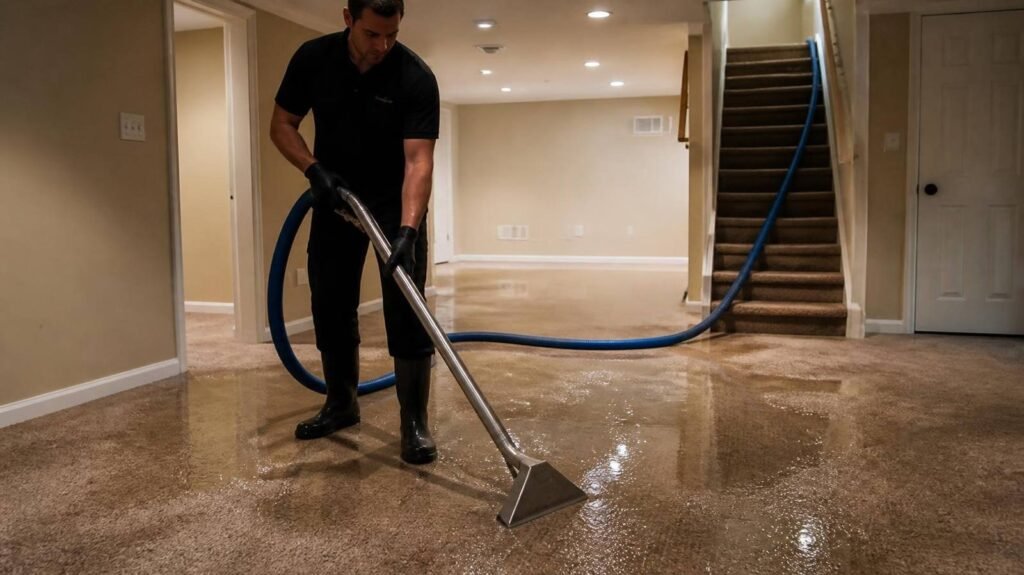
Water damage restoration in Falcon Heights starts with one simple goal: get the water under control before it spreads into more of the building. That usually means identifying the source, removing standing water, checking nearby materials for hidden moisture, and setting up a drying plan that matches what actually got wet. From there, the work becomes less about rushing and more about making good decisions about what can dry in place, what needs to come out, and what should be checked again before repairs begin.
People often reach out after they notice a puddle, a ceiling stain, damp carpet, or a musty smell. The visible problem is important, but it is not always the whole problem. Water can move under flooring, along wall plates, behind baseboards, through insulation, and into rooms below. A good restoration plan follows the moisture path instead of assuming the damage stops where the eye can see it.
What does water damage restoration include?
Water damage restoration is the process of stabilizing a wet property and returning the affected area to a dry, usable condition. Depending on the loss, that can include water extraction, moisture inspection, controlled drying, selective removal of unsalvageable materials, cleaning, and documentation of what still needs repair.
The exact sequence changes from job to job. A refrigerator supply-line leak on a kitchen floor is different from a basement with several inches of water. A clean-water pipe break is different from a drain or sewage backup. The materials matter too. Drywall, concrete, wood framing, carpet, engineered flooring, and insulation all respond differently once they are wet.
Why Falcon Heights properties need a site-specific approach
Falcon Heights is a compact city, but the building stock is not all the same. You can move from older detached homes to apartments, rentals, institutional properties, and campus-adjacent buildings within a short distance. Properties near Larpenteur Avenue, Snelling Avenue, Cleveland Avenue, Roselawn Avenue, Garden Avenue, and Fulham Street can have very different floor plans, access conditions, and lower-level layouts.
That matters because restoration is easier when the drying plan fits the building. A finished basement with carpet and drywall needs a different plan from an unfinished utility room with exposed concrete. A second-floor plumbing leak may require checking the ceiling and wall cavities below. A narrow stair or occupied rental can change how equipment is placed and how work is staged.
Step 1: Find and control the water source
Before drying can really begin, the source has to be stopped or isolated whenever it can be done safely. Sometimes the cause is obvious: a broken washing-machine hose, a leaking water heater, a frozen pipe, or an overflowing fixture. Other times the source is less clear, especially when the first sign appears in a ceiling or along a baseboard.
If water is still actively entering the building, do not focus on cosmetic cleanup first. Control the source, keep people away from electrical hazards, and then move into removal and drying. If you have active standing water, our emergency water removal service explains that first-response process in more detail.
Step 2: Remove standing water and excess moisture
Standing water should be removed before it has more time to soak into porous materials. Extraction also makes the rest of the drying process more efficient because equipment is not being asked to handle water that could have been physically removed first.
After the obvious water is gone, absorbent materials still need attention. Carpet pad can hold moisture long after the carpet surface feels only damp. Drywall edges can stay wet behind baseboards. Cabinets can trap moisture along toe-kicks and wall contact points. Water under finished flooring may not be visible at all.
Step 3: Check where the water traveled
This is where many do-it-yourself cleanup attempts fall short. A room can look better while still holding moisture in places that are hard to see. The practical question is not, “Does the room look dry?” It is, “Which materials were exposed, and are they actually drying?”
Moisture checks may focus on lower drywall, wood framing, subflooring, flooring seams, trim, insulation, cabinetry, and adjacent rooms. If a wall or ceiling is involved, visit our wet walls and ceilings page for a deeper explanation of how concealed moisture behaves.
Step 4: Build a drying plan around the materials
Drying is not just placing fans in a room. Air movement, dehumidification, access to wet materials, room temperature, and the amount of moisture all affect how quickly an assembly can dry. The plan should also account for whether moisture is trapped behind finishes or beneath flooring.
Some materials can often dry in place if conditions are right. Others may need selective removal because they are contaminated, heavily damaged, or blocking access to a wet cavity. Our structural drying service focuses specifically on that part of the restoration process.
Step 5: Decide what can stay and what should be removed
Not every wet material automatically needs to be torn out. That decision should be based on the type of water involved, how saturated the material became, how long it stayed wet, whether it can be cleaned, and whether it can be dried effectively.
For example, clean-water damage to solid wood framing is handled differently from contaminated water affecting carpet pad. Drywall that is lightly affected may sometimes be dried, while drywall exposed to sewage may need removal. Flooring decisions depend on the product and what is happening underneath it. Our flooring and subfloor water damage page goes deeper into those choices.
Common causes of water damage in Falcon Heights
- Frozen or burst plumbing during cold weather
- Water-heater failures and slow tank leaks
- Dishwasher, refrigerator, and washing-machine supply-line leaks
- Toilet, tub, and sink overflows
- Basement seepage and storm-related water entry
- Drain or sewage backups
- Leaks that begin upstairs and show up in ceilings below
- Water migrating beneath finished floors or along wall edges
If the loss started with cold-weather plumbing, see our burst and frozen pipe damage service. If the main problem is downstairs, our flooded basement cleanup page covers lower-level issues in more detail.
What should you do before help arrives?
If it is safe to do so, stop the water source. Move small, dry belongings away from the affected area and keep people and pets out of rooms with electrical hazards, sagging ceilings, or contaminated water. Avoid running household fans in areas where sewage or other contaminated water may be present.
Do not assume a wet ceiling is safe to stand under. Do not use electrical appliances near standing water. And do not close walls or install new flooring simply because the surface seems dry. Those are the situations where a little patience can prevent a much bigger problem later.
How long does water damage restoration take?
There is no honest one-size-fits-all timeline. A small, quickly contained clean-water loss may stabilize relatively quickly. A flooded basement, wet wall cavity, or flooring assembly can take longer because the water has reached more materials or has fewer paths to escape.
The better way to think about timing is in stages: source control, water removal, moisture assessment, active drying, re-checking, and then repair. The goal is not to keep equipment running for a preset number of days. The goal is to make decisions based on how the affected materials are responding.
Will water damage always cause mold?
No, but prolonged moisture creates conditions that can support microbial growth. The most useful response is to address the water and drying conditions promptly rather than wait for visible growth to appear. Hidden moisture behind trim, under floors, or in wall cavities deserves attention even when the room still looks normal.
Does insurance cover water damage restoration?
Coverage depends on the cause of loss and the terms of the policy. Sudden plumbing failures may be treated differently from long-term seepage or maintenance issues. We do not make coverage promises on the website because the carrier and policy control that decision. If you plan to file a claim, it is useful to document the source, affected rooms, visible damage, and the cleanup steps taken.
What should a restoration company explain before work starts?
Before work starts, you should understand the water source, which materials are affected, what can likely dry in place, what may need removal, and how progress will be checked. Clear explanations make it easier to compare recommendations and understand what happens next.
Our goal is to connect the problem you can see with moisture that may be hidden, then give you a practical next step based on the building, the water source, and the materials involved.
When should you request help?
Request help when water is still entering, standing water is present, multiple materials are wet, a ceiling or wall cavity may be involved, sewage is present, or you are simply not confident the area is drying on its own. Use the service-request form to describe what happened.
If the loss is active or you are unsure how far the water traveled, use the Request Emergency Service form and describe the source, affected rooms, and visible damage.
Frequently asked questions about water damage restoration
Should I remove wet carpet right away?
Not always. The source, water category, amount of saturation, carpet condition, and condition of the pad and subfloor all matter. In contaminated losses, removal is more likely. In clean-water losses, the decision may depend on how quickly the assembly can be dried.
Can drywall dry without being removed?
Sometimes. Drywall can dry in place when the water is clean, the material is structurally sound, and the wall cavity can dry effectively. If insulation is saturated or the water is contaminated, selective removal may be the better option.
What if the water looks clean?
Clean appearance does not automatically tell you the source or what happened after the water entered the building. Water can pick up contaminants as it travels. The source and path matter more than appearance alone.
Can I just use a dehumidifier from the store?
A household dehumidifier may help with minor humidity, but a larger water loss usually involves more than reducing room humidity. Trapped moisture, wet porous materials, and limited airflow can all slow drying.
Do you only work in Falcon Heights?
Falcon Heights is the primary focus of this site. Nearby communities are listed on our service areas page, with the goal of keeping each location page specific rather than copying the same text from city to city.