Structural Drying in Falcon Heights, MN
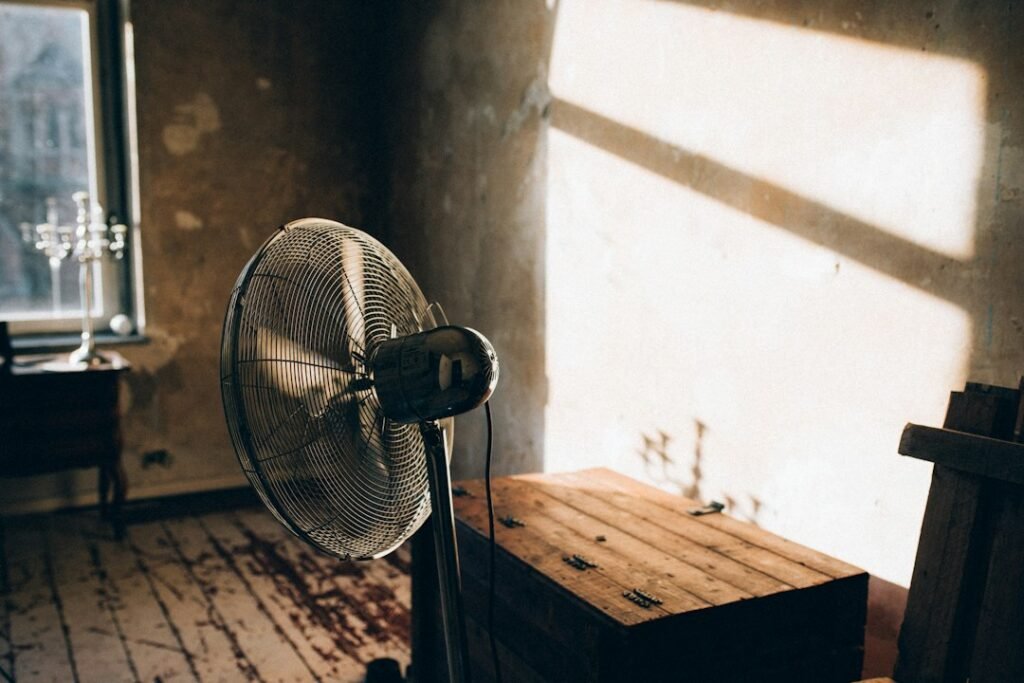
Structural drying in Falcon Heights is the controlled process of removing moisture that remains in building materials after standing water has been extracted. The goal is not to make a room feel less damp; it is to help affected drywall, framing, concrete, subflooring, trim, and other materials move back toward normal moisture conditions before repairs begin.
Water removal and structural drying are related, but they are not the same thing. Extraction removes free water you can physically collect. Structural drying addresses the moisture that remains inside porous materials and the air. A room can look dry while its lower drywall, wall plates, carpet pad, wood framing, or subfloor still holds moisture.
What does structural drying include?
A drying plan typically considers airflow, dehumidification, temperature, access to wet materials, and repeated moisture checks. The exact setup depends on what got wet and how much water was involved.
A small laundry-room leak may need a very different approach from a finished basement with several wet walls. Drying should follow the materials and the moisture path rather than rely on a standard number of fans or a fixed number of days.
Why is structural drying important after water removal?
Removing standing water is only the first step. Porous materials absorb moisture. Drywall can wick water upward from the floor. Framing can remain damp inside a wall cavity. Carpet pad can stay wet beneath carpet that feels only slightly damp.
If repairs begin too early, remaining moisture may be hidden behind new paint, flooring, trim, or drywall. That is why drying comes before cosmetic repair.
How is moisture checked?
Moisture checks may include the visible surface as well as nearby materials such as lower drywall, framing, base plates, subflooring, carpet pad, cabinets, or insulation. The purpose is to understand where the water traveled and whether materials are responding to the drying plan.
The exact tools and readings depend on the material. The practical point for a property owner is that visual appearance alone is not enough to confirm a structure is dry.
What role does air movement play?
Air movement helps moisture leave the surface of wet materials. It can be especially useful on drywall, framing, carpet, and other exposed surfaces when the air is moving in a controlled way.
More airflow is not always better. Equipment placement should support evaporation without creating unnecessary disruption or spreading contaminants in situations involving sewage or other dirty water.
What does a dehumidifier do?
As wet materials release moisture, the air becomes more humid. Dehumidification removes moisture from the air so the drying process can continue more efficiently.
A household dehumidifier may help with minor humidity, but larger water losses can involve more moisture than a small residential unit can manage quickly. The amount of dehumidification should match the size of the affected area and the amount of wet material.
How does temperature affect drying?
Temperature influences evaporation and how much moisture the air can hold. A cold basement and a warm upstairs room may dry differently even if the same materials are wet.
Heating should be controlled and appropriate to the structure. The goal is to support drying conditions, not to overheat the room or create another problem.
Can walls dry without being opened?
Sometimes. If the water is clean, the drywall is in good condition, insulation is not heavily saturated, and the cavity can dry effectively, wall materials may be able to remain in place.
Other situations require selective opening. Wet insulation, trapped moisture, contamination, or physical damage can make access necessary. Our wet walls and ceilings page explains these decisions in more detail.
How is flooring dried?
Flooring is one of the harder assemblies to judge because the surface can dry before the layers beneath it. Carpet pad, underlayment, and subflooring may hold moisture after the finished floor feels better.
Floating floors can trap water beneath them. Engineered wood and laminate can swell or separate. See our flooring and subfloor water damage page for more specific guidance.
What about concrete basement floors?
Concrete is porous and can hold moisture. After a basement water loss, the floor may remain damp even when visible water is gone.
The surrounding materials matter too. Finished walls, carpet, baseboards, and wall plates often need more attention than the concrete surface itself. Our flooded basement cleanup page covers those lower-level conditions.
Does structural drying work after a burst pipe?
Yes. Burst-pipe losses often require structural drying because water can move into wall cavities, ceilings, insulation, and flooring before the source is stopped.
For cold-weather plumbing losses, see our burst and frozen pipe water damage page.
How long does structural drying take?
There is no reliable universal timeline. Drying time depends on the amount of water, material type, access, temperature, humidity, and how quickly the loss was discovered.
The better approach is to check the affected materials over time and adjust the plan based on how they are responding. Equipment should not be removed just because a preset number of days has passed.
What if sewage or contaminated water is involved?
Contaminated water changes the drying process because some porous materials may not be appropriate to dry in place. Cleaning, removal, and safety decisions come before aggressive airflow.
Visit our sewage backup cleanup page if the water source involves wastewater or a drain backup.
What should happen before repairs start?
The source should be controlled, standing water removed, affected materials evaluated, and the structure dried to an appropriate condition. Repairs should be based on the actual condition of the materials rather than on how the room looks from a distance.
That can reduce the chance of trapping moisture behind new finishes.
When should you request structural drying help?
Request help when water has reached walls, flooring, ceilings, framing, carpet pad, or multiple rooms, or when the visible water is gone but you are not sure what remains wet. Use the service-request form to describe the loss.
If materials are still wet after extraction, use the Request Emergency Service form and describe what was affected.
Frequently asked questions about structural drying
Is structural drying the same as water extraction?
No. Extraction removes free water. Structural drying addresses the moisture that remains in building materials and the air.
Can fans dry everything?
No. Air movement is only one part of the process. Dehumidification, access, temperature, and material type all matter.
Do all wet walls need demolition?
No. Some walls can dry in place, while others may need selective opening depending on insulation, contamination, saturation, and access.
How do you know when drying is done?
The decision should be based on moisture conditions in the affected materials rather than a fixed number of days or how the room feels.